

Introduction: The Global Rise of Marble in 2026
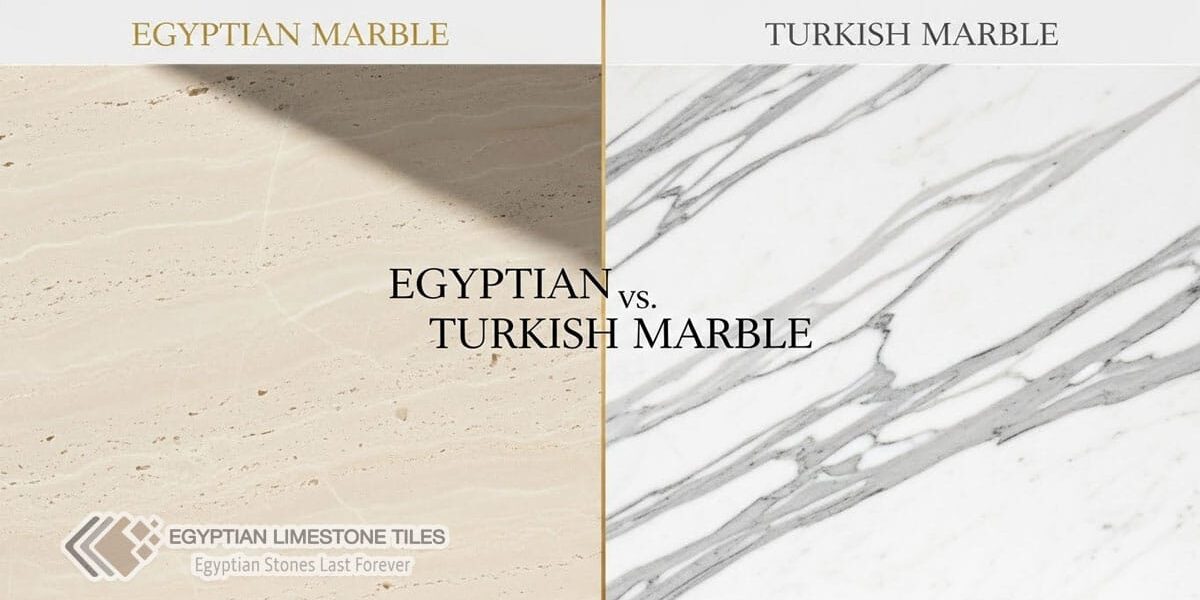
In 2026, the international market for natural stone continues to expand, with marble playing a leading role in luxury architecture, interior design, and large-scale commercial projects. Two countries dominate global demand: Egypt, known for its affordable yet durable stone, and Turkey, known for its polished finishes and premium branding.
While both countries offer excellent materials, determining which option provides better value depends on cost, application, durability, and finish quality. As one of the major marble suppliers in Egypt, ELT exports premium marble, limestone, and granite to markets across Europe, the UK, the USA, and the Gulf.
This guide provides a complete comparison to help importers and project owners make the right decision.
Egyptian Marble vs. Turkish Marble
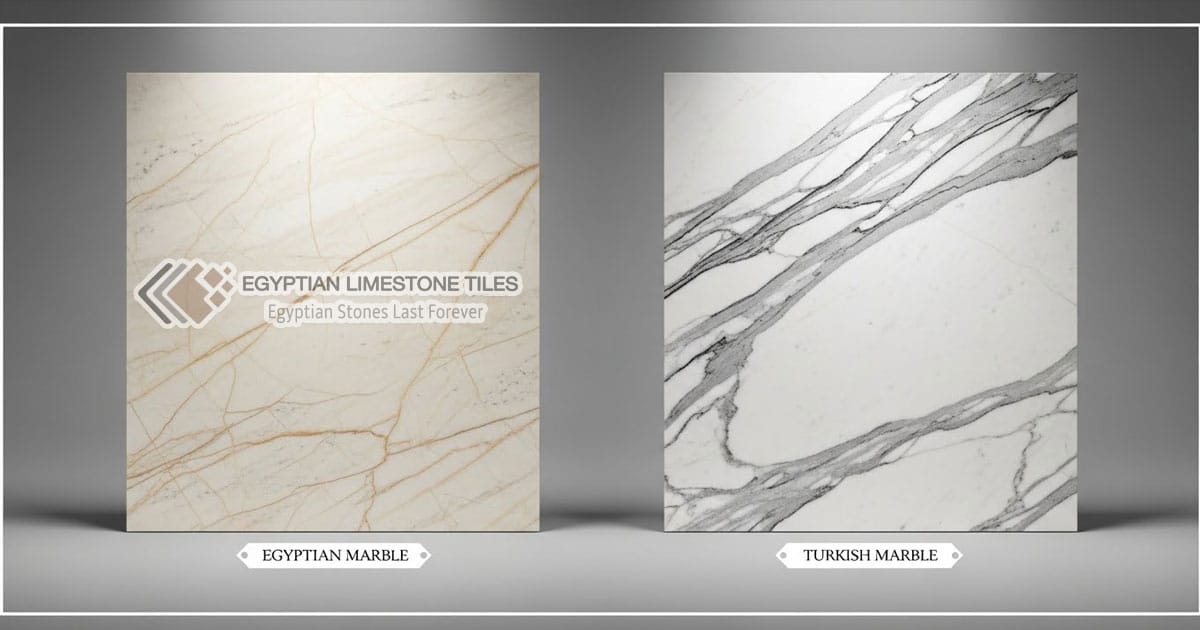
Material Quality: Egyptian vs. Turkish Marble
Egyptian Marble
Egypt is known for durable stones such as:
Egypt’s strength lies in its durability, weather resistance, and wide range of outdoor finishes.
Turkish Marble
Turkey is famous for:
-
High-gloss polished marble
-
White and beige tones (similar to Italian marble)
-
Luxurious interior-focused styles
Turkish marble often comes at a higher price because of branding, quarrying techniques, and export costs.
Price Comparison: Where Do You Save More?
One of the biggest advantages of Egyptian stone is its affordability.
Why Egyptian Marble Costs Less
-
Lower quarrying cost
-
Reduced labor and production expenses
-
Shorter supply chains for many global regions
-
High quarry availability
For importers seeking high-quality materials at better prices, Egyptian marble consistently delivers more value.
Why Turkish Marble Is More Expensive
-
Branding and premium positioning
-
High demand for snow-white and beige tones
-
Greater polishing focus
-
Higher labor and logistic costs
For large-scale projects, particularly outdoors, the cost difference is significant.
Applications: Interior vs. Exterior Use
Where Egyptian Marble Performs Best
Egyptian stones excel in outdoor and high-traffic applications due to their density and slip-resistant finishes.
Best uses include:
-
Facades
-
Outdoor flooring
-
Courtyards
-
Poolsides
-
Walkways
-
Public spaces
Materials like egyptian limestone paving, dijon tumbled limestone, and Triesta are extremely popular in Europe and the Gulf.
Where Turkish Marble Performs Best
Turkish marble excels in:
-
Indoor flooring
-
Hotel lobbies
-
Bathrooms
-
Luxury interiors
Its polished finish creates a premium, glossy aesthetic more suited for indoor spaces.
Durability & Weather Resistance
Egyptian Marble Durability
Egyptian stones—especially Triesta, Galala, and Sinai Pearl—are known for:
-
Strong compression strength
-
Heat resistance
-
Slip resistance
-
UV stability
They are ideal for hot regions (Gulf), cold climates (Europe), and coastal areas.
Turkish Marble Durability
Turkish marble is strong and aesthetically appealing but more sensitive to:
-
Acids
-
Heavy scratching
-
Harsh outdoor weather
-
Salt exposure (near seas)
Thus, it is better suited for indoor environments.
Availability & Supply Chain Reliability
Egypt
Egypt has massive reserves and a well-established export system. ELT operates within a fully equipped marble and granite factory in Egypt capable of:
-
Cutting slabs and tiles
-
Custom sizing
-
Bulk finishes
-
Fast dispatch
Availability is steady and timely.
Turkey
Supply remains strong but may experience:
-
Seasonal delays
-
Higher shipping costs
-
Increased demand-driven price fluctuations
Which One Offers Better Value in 2026?
Egyptian Marble Wins in:
-
Outdoor performance
-
Large-scale commercial projects
-
Budget-friendly procurement
-
Weather resistance
-
Custom finishes (tumbled, brushed, sandblasted)
Turkish Marble Wins in:
-
Polished interior elegance
-
Luxury residential designs
-
Premium branding appeal
Complementary Stone Options from ELT
Regardless of your choice, ELT offers a full range of stones including:
Perfect for indoor, outdoor, commercial, and residential projects.
FAQs — Egyptian Marble vs. Turkish Marble
1. Which type of marble is more affordable?
Egyptian marble is generally more cost-effective for large-scale projects.
2. Which marble is better for outdoor use?
Egyptian stones like Triesta and Sinai Pearl offer superior weather resistance.
3. Is Turkish marble better for indoor applications?
Yes. Turkish marble performs exceptionally well in polished interior spaces.
4. Do both countries offer custom finishes?
Yes, but Egypt offers broader finish options, especially for outdoor use.
5. Which option is better for commercial projects?
Egyptian marble provides better value, durability, and cost-efficiency.
6. How to order from ELT?
To place your order or request a quote, contact us:
📞 Mobile: 00201009267545
💬 WhatsApp: 201009267545
✉️ Email: [email protected]