

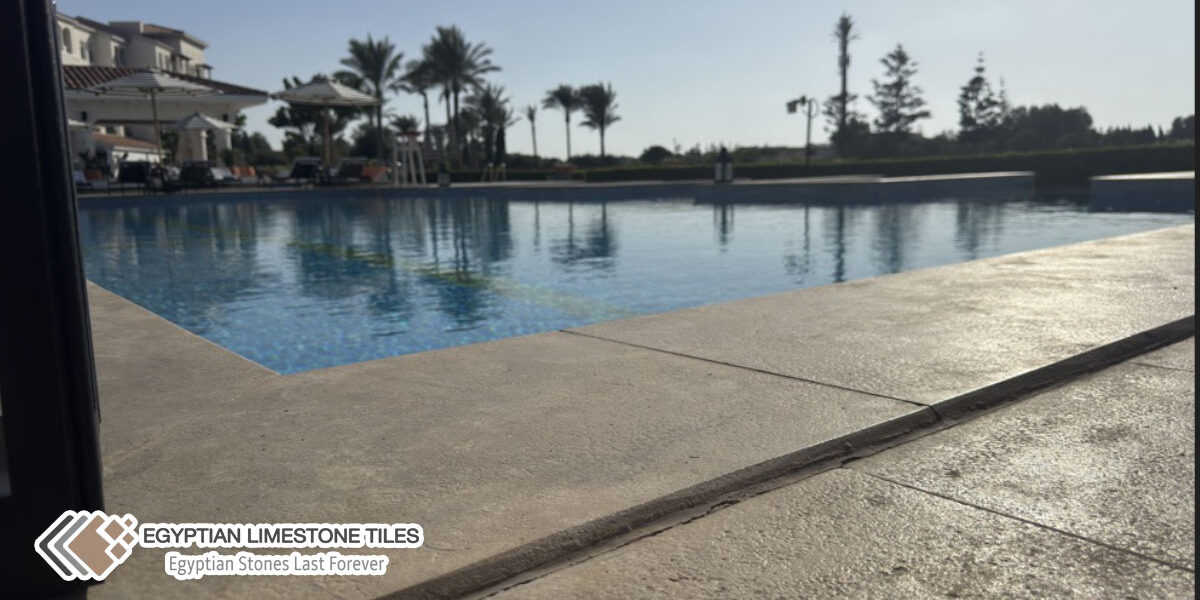
Your Guide to Designing the Perfect Pool Deck Paver for a Holiday Home
Choosing the right pool deck pavers is a critical step when designing a holiday home pool area. The right materials not only enhance visual appeal but also ensure safety, durability, and long-term value. A well-designed pool deck transforms the space into a comfortable, elegant outdoor retreat that complements your property.
Natural stone pavers—such as Egyptian marble, Egyptian granite, and premium limestone—are among the most reliable choices for luxury pool decks, especially for holiday homes exposed to sun, water, and heavy use.
Why Choose Natural Stone Pavers for Pool Decks?
Natural stone pavers provide a timeless, high-end aesthetic while delivering excellent performance in poolside environments. Barefoot comfort, slip resistance, and heat control are essential features—especially during hot summer days.
Textured finishes such as tumbled, bush-hammered, or sandblasted stone offer superior slip resistance. When professionally installed and sealed, stone pavers resist water absorption, pool chemicals, and weather fluctuations for many years.
Much like luxury resorts, natural stone pool decks integrate seamlessly with landscaping and outdoor living spaces, creating a unified and relaxing atmosphere that enhances the overall property value.
Best Materials for Pool Deck Pavers
Limestone Pavers
Limestone is one of the most popular materials for pool decks due to its soft, natural tones and excellent thermal performance. Options such as Galala Limestone and Sinai Pearl Limestone stay cooler underfoot and blend beautifully with outdoor landscapes.
For textured designs, Dijon Tumbled Limestone is an excellent choice, offering both grip and visual warmth.
Granite Pavers
Granite is known for its exceptional hardness and resistance to heavy foot traffic, scratches, and fading. Premium options such as Black Aswan Granite deliver a bold, sophisticated look while offering long-term durability.
Although granite comes at a higher price point, its longevity and minimal maintenance requirements make it a cost-effective investment over time.
Key Design & Safety Considerations
Slip Resistance & Heat Control
Slip resistance is essential around swimming pools. Acid-tumbled, honed, or textured stone finishes provide better grip when wet. Light-colored stones also help reduce heat absorption, keeping the surface comfortable for barefoot use.
Proper Installation & Base Preparation
A stable base is crucial for safety and durability. Pool deck pavers should be installed over a compacted crushed-stone foundation with proper drainage to prevent movement, cracking, or water pooling.
Resistance to Water, Chemicals & Weather
Dense stones are naturally resistant to water and chemicals. Applying a high-quality sealer protects porous materials, reduces staining, and ensures resistance to chlorine or saltwater exposure.
Proper drainage and expansion joints help the deck withstand freeze-thaw cycles, heavy rain, and temperature fluctuations.
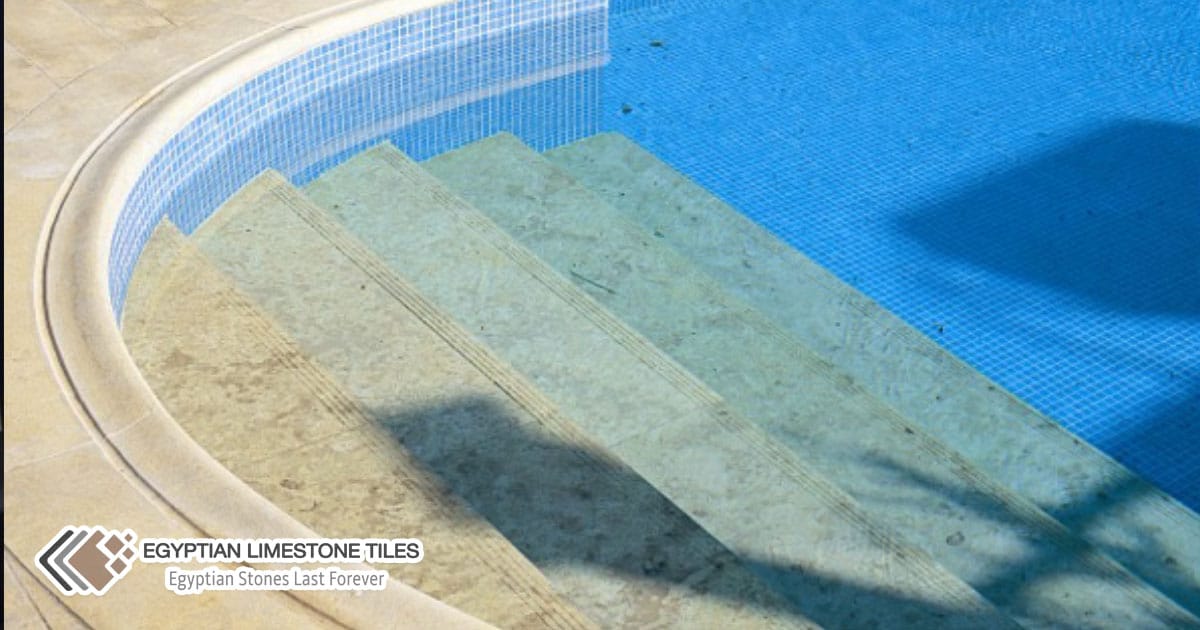
Pool Deck Paver
Aesthetic Integration with Surroundings
The pool deck should complement both the home exterior and surrounding landscape. Limestone pairs beautifully with greenery, wood accents, and outdoor furniture, creating a resort-style ambiance.
Carefully designed coping and edging ensure a smooth transition between the pool and deck—enhancing both safety and visual continuity.
Step-by-Step Guide to Designing & Installing a Pool Deck
Start by understanding how the space will be used and how it connects to the pool and garden. Measure the site accurately, assess soil conditions, drainage direction, sun exposure, and slope.
Choose materials that offer slip resistance, heat control, and durability. Natural stone remains cool under the sun and provides excellent traction even when wet.
Professional installation—focusing on leveling, spacing, edging, and sealing—ensures long-term performance. Routine cleaning and periodic resealing will maintain the deck’s appearance and extend its lifespan.
Frequently Asked Questions (FAQs)
What is the best stone for pool deck pavers?
Limestone and granite are among the best options due to their durability, slip resistance, and ability to handle heat and moisture.
Do limestone pool decks get slippery?
No, when finished with tumbled or textured surfaces and properly sealed, limestone provides excellent slip resistance.
How often should pool deck pavers be sealed?
Sealing is typically recommended every 1–3 years, depending on stone type, climate, and usage.
Are Egyptian stones suitable for outdoor pool areas?
Yes. Products sourced from reputable marble suppliers in Egypt and a certified marble and granite factory in Egypt are widely used in international outdoor projects.
Can natural stone be used for pool paving?
Absolutely. Egyptian limestone paving is a durable and elegant solution for pool decks and outdoor spaces.
Conclusion
Designing a pool deck for a holiday home requires a balance of beauty, safety, and durability. Natural stone pavers deliver all three, offering slip resistance, heat control, and timeless elegance.
With proper material selection, expert installation, and regular maintenance, a stone pool deck becomes a long-term investment—enhancing comfort, property value, and outdoor enjoyment.
Contact Us
To place your order or request a quote, contact us:
📞 Mobile: 00201009267545
💬 WhatsApp: 201009267545
✉️ Email: [email protected]