

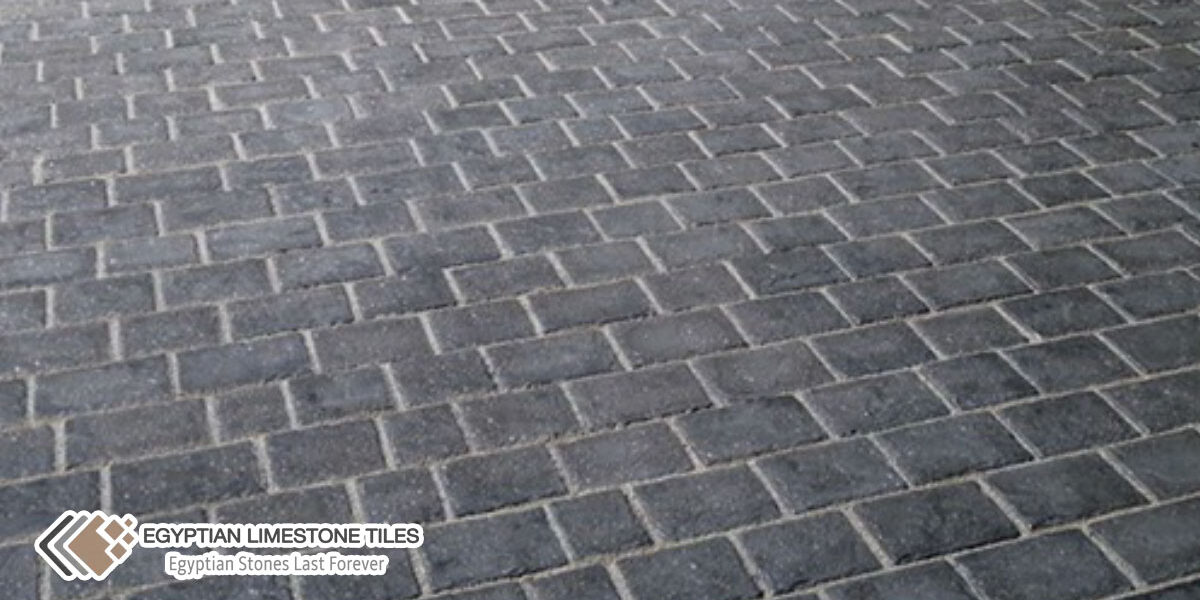
Basalt Stone and Its Significant Uses in Ancient Egypt
Basalt stone played a vital role in Ancient Egyptian civilization, not only as a construction material but also as a symbol of strength, permanence, and spiritual belief. Its exceptional durability and striking dark color made it one of the most valued volcanic stones used by ancient builders and artisans.
While materials such as Egyptian marble, Egyptian Limestone, and Egyptian granite were commonly used, basalt stood apart due to its strength and symbolic meaning.
What Is Basalt Stone?
Basalt is a fine-grained, dark-colored igneous rock formed when lava cools rapidly at the Earth’s surface. It is primarily composed of strong silicate minerals such as pyroxene and plagioclase feldspar, giving it exceptional compressive strength and resistance to weathering.
Compared to softer stones like limestone, basalt is significantly harder and more durable. These qualities made it highly suitable for applications requiring longevity—both in ancient monuments and in modern architectural design, including flooring, wall cladding, and decorative features.
Uses of Basalt in Ancient Egypt
1. Monumental Architecture
Basalt was widely used in Ancient Egyptian monumental architecture, particularly in temple flooring, entrances, and ceremonial areas. Although it was not commonly used inside pyramids, basalt slabs were frequently installed in mortuary temples during the 4th and 5th Dynasties.
The dark tone of basalt created a powerful contrast against lighter stones such as limestone, reinforcing symbolic meanings associated with strength, eternity, and sacred space. This contrast echoed the fertile black soil of the Nile, known as “Kemet,” the Black Land.
The effort required to quarry, shape, and transport basalt highlights its immense value and prestige in ancient construction.
2. Sculptures and Statues
Basalt was reserved for high-status sculptures due to its difficulty to carve. Ancient Egyptian artisans used basalt to create statues of gods, kings, and elite officials, emphasizing permanence and authority.
One of the most famous basalt sculptures is the statue of King Khafre, known for its smooth, polished surface and powerful presence. Another notable example is the basalt statue of Padiiset, now housed in the Walters Art Museum in the United States.
These works demonstrate the advanced craftsmanship and technical skill of Ancient Egyptian stone carvers.
3. Funerary Artifacts
Basalt was commonly used in funerary contexts, including coffins, offering tables, ritual vessels, and sacred containers. Its durability symbolized eternity and ensured that ritual objects would endure forever.
Offering tables made from basalt were especially valued for their strength, providing a stable surface for food and drink offerings to the deceased.
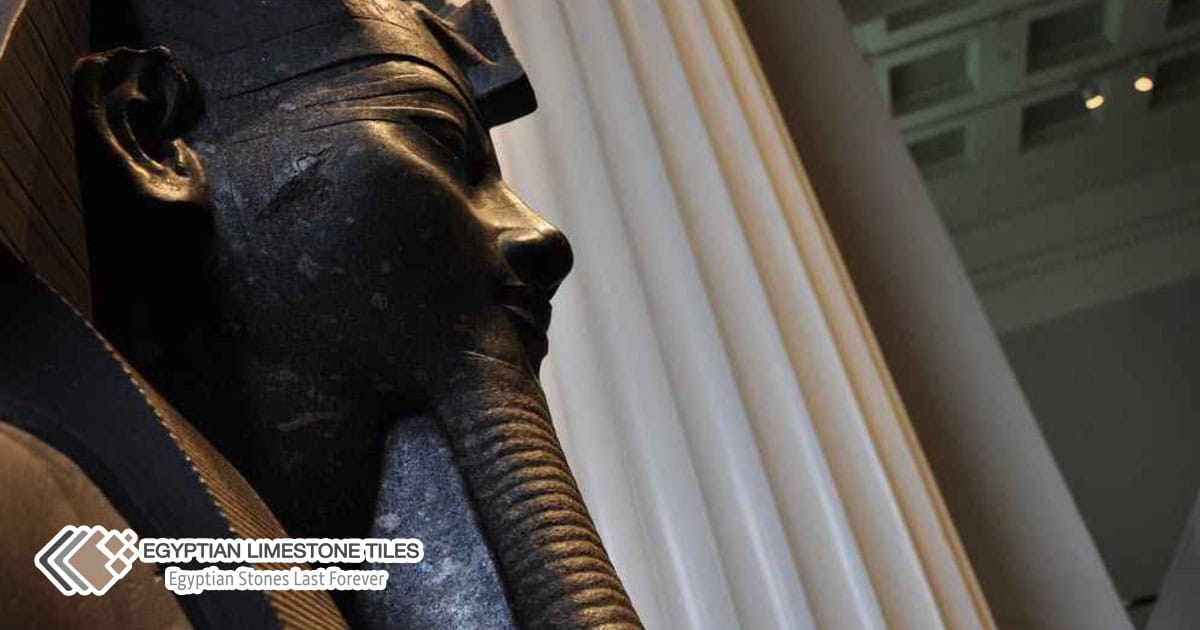
Basalt stone Ancient Egypt
The Cultural Identity of Basalt in Ancient Egypt
The symbolic significance of basalt went beyond its physical properties. Its black color represented the fertile Nile soil and was associated with life, renewal, and rebirth.
Basalt temple floors marked sacred thresholds between the human world and the divine realm. Objects made from basalt signified power, wealth, and lasting memory—attributes especially important for kings and high-ranking individuals.
In Ancient Egypt, basalt was not merely a building material; it was a cultural statement that linked geology, craftsmanship, religion, and ideology.
Basalt Quarries in Ancient Egypt
Basalt was primarily quarried from Widan Al-Faras in northern Fayoum. Archaeological discoveries reveal that ancient Egyptians built stone-paved roads connecting these quarries to harbors on Lake Moeris, enabling transportation by water.
Workers used copper chisels, dolerite pounding stones, tubular drills, and abrasive sand to extract and shape basalt blocks. Due to its limited availability and extreme hardness, basalt quarrying required careful planning and immense labor.
Basalt in Modern Egyptian Architecture
Basalt continues to be used in modern Egyptian architecture for flooring, wall cladding, and exterior landscaping. Polished basalt slabs offer a sophisticated dark appearance, often used to create contrast with lighter stones such as Galala Limestone or Dijon Tumbled Limestone.
When used indoors, basalt requires professional sealing and regular maintenance to prevent staining—similar to other natural stones used today by leading marble and granite companies in Egypt.
Frequently Asked Questions (FAQs)
Why was basalt important in Ancient Egypt?
Basalt symbolized strength, permanence, and rebirth. Its durability made it ideal for temples, statues, and funerary artifacts.
Where was basalt quarried in Ancient Egypt?
Most basalt was extracted from Widan Al-Faras in the Fayoum region.
Is basalt still used in modern construction?
Yes, basalt is widely used today for flooring, cladding, and architectural accents due to its durability and elegant appearance.
How does basalt compare to marble and granite?
Basalt is harder and darker than marble and offers similar durability to granite, making it ideal for high-stress applications.
Conclusion
Basalt stone played a crucial role in shaping Ancient Egyptian architecture, art, and spiritual expression. Its strength, durability, and symbolic meaning made it one of the most valued stones in history.
From temples and statues to modern architectural applications, basalt remains a timeless material that connects ancient heritage with contemporary design.
Contact Us
To place your order or request a quote, contact us:
📞 Mobile: 00201009267545
💬 WhatsApp: 201009267545
✉️ Email: [email protected]