


Agricultural limestone, or aglime, is the most widely used material for correcting acidic soils and lifting crop yields. ELT (Egyptian Limestone Tiles) is a leading Egyptian supplier of agricultural limestone, milling high-purity calcium carbonate to the fineness farmers and blenders need and exporting factory-direct worldwide.
💬 WhatsApp Us✉️ Email Our Experts📞 Call Us
As one of the leading marble suppliers in Egypt, ELT also supplies Egyptian marble, Egyptian granite and Egyptian limestone tiles factory-direct, alongside its industrial calcium carbonate and limestone range.
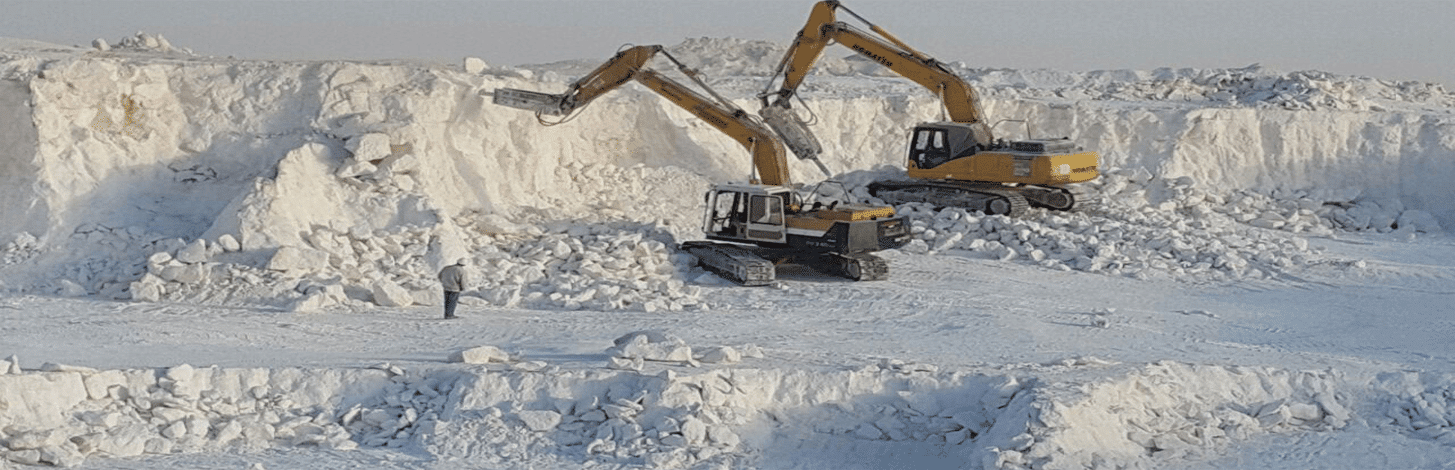
What is agricultural limestone?
Agricultural limestone is finely ground natural limestone (calcium carbonate) applied to soil to neutralise acidity and supply calcium. As it reacts, it raises soil pH, which unlocks nutrients, improves microbial activity and lets crops absorb fertiliser more efficiently. It is the standard, low-cost soil amendment in row crops, pasture, orchards and turf. The practice of liming soils is described on Wikipedia.
How agricultural limestone improves soil and yield
Acidic soils lock up phosphorus and trace elements and stress root systems. Applying agricultural limestone raises pH toward the optimal range for most crops, releasing those nutrients and improving structure. It also adds calcium, an essential nutrient for cell-wall strength. The result is better germination, stronger roots, more efficient fertiliser use and higher, more consistent yields season after season.
Grades, fineness and neutralizing value
The finer the grind, the faster aglime reacts, because more surface area contacts the soil. Key specs are calcium carbonate equivalent (purity), fineness/mesh, and neutralizing value. ELT supplies Egyptian calcium carbonate ground to defined agricultural fineness, balancing fast pH correction with easy spreading, and documents each batch so agronomists can calculate application rates accurately.
Why source agricultural limestone from ELT
Egypt’s high-purity white limestone makes excellent aglime: high neutralizing value and low impurities. As a quarry-to-mill producer, ELT controls purity and particle size from the source and supplies a certificate of analysis with each order. We load bulk bags and containers at our Cairo facility and export across Africa, the Gulf, Europe and Asia with full paperwork.
Pricing, MOQ and export from Egypt
Bought factory-direct, Egyptian agricultural limestone is highly competitive for bulk and full-container volumes, with pricing set by purity, fineness and packaging. Minimum orders typically start at one container or a pallet of bulk bags. Request a sample and a specification sheet, and ELT will confirm fineness, neutralizing value and freight to your port.
Crops and applications
Agricultural limestone suits a wide range of users: broadacre row crops such as maize, wheat and soy, pasture and forage, orchards and vineyards, vegetables, turf and greenhouse mixes. It is also blended into compound fertilisers and soil conditioners. Because Egyptian aglime is high in purity and neutralizing value, growers reach their target pH with lower application rates, which cuts spreading cost and haulage while still delivering the calcium crops need for strong, healthy growth. ELT can also advise on suitable application rates for specific crops and soil types on request, and supply the documentation many agronomists and exporters require.
Contact ELT (Egyptian Limestone Tiles)
ELT is a leading Egyptian calcium carbonate and limestone supplier, exporting factory-direct across the Middle East and worldwide. Need a quote, a datasheet, or a sample? Our export team replies within 24 hours.
💬 WhatsApp Us✉️ Email Our Experts📞 Call Us
- Mobile / WhatsApp: +20 100 926 7545
- Office: +20 2 2690 1767
- Email: [email protected]
- Head Office: 7 El Edrisi St., next to Heliopolis Sporting Club, Office 402, Cairo, Egypt
- Website: egyptianlimestonetiles.com
Frequently asked questions
What does agricultural limestone do to soil?
Agricultural limestone neutralises acidic soil and raises pH, which unlocks phosphorus and trace nutrients, improves soil structure and microbial activity, and supplies calcium. The result is better root growth, more efficient fertiliser use and higher crop yields.
How fine should agricultural limestone be?
Finer aglime reacts faster because more surface area contacts the soil, but it must still spread easily. Key specs are calcium carbonate equivalent, fineness and neutralizing value. ELT grinds Egyptian agricultural limestone to defined agricultural fineness and documents each batch.