

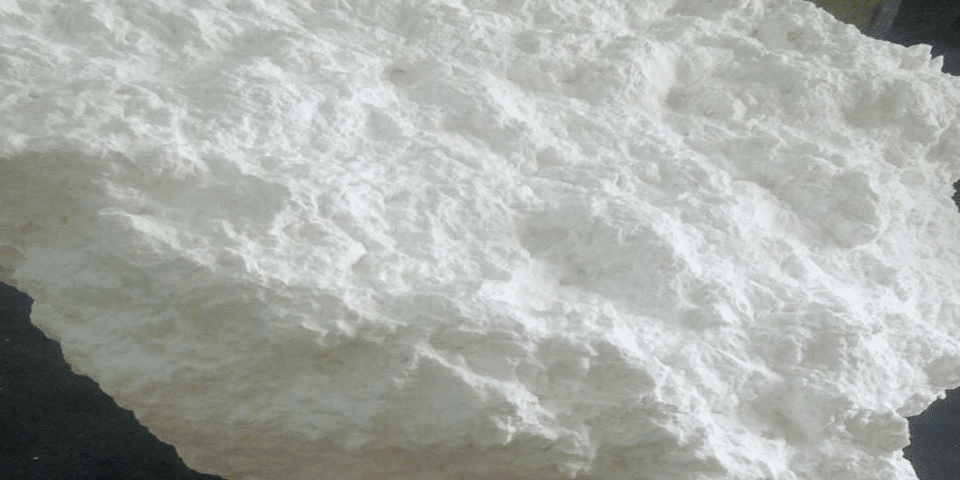
Limestone for glass manufacturing is a core raw material in the glass batch, supplying the calcium that gives glass its durability and chemical resistance. ELT (Egyptian Limestone Tiles) is a leading Egyptian supplier of glass-grade limestone and calcium carbonate, exported factory-direct worldwide.
💬 WhatsApp Us✉️ Email Our Experts📞 Call Us
As one of the leading marble and granite companies in Egypt, ELT also supplies Egyptian marble, Egyptian granite and Egyptian limestone tiles factory-direct, alongside its industrial calcium carbonate and limestone range.
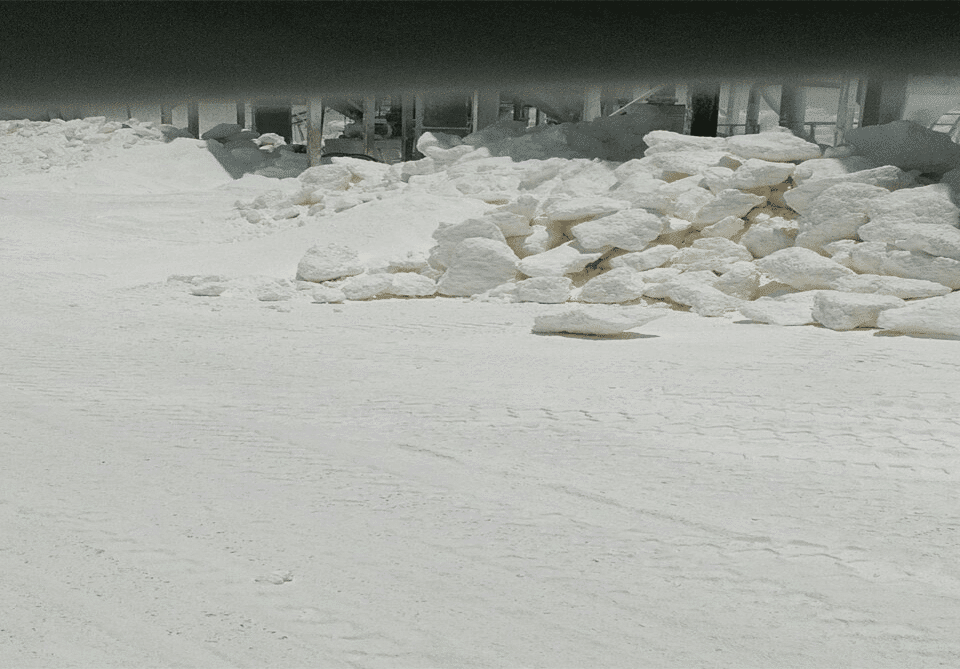
Why limestone is used in glass
Soda-lime glass, which makes up most container and flat glass, is built from silica sand, soda ash and limestone. The limestone supplies calcium oxide (CaO), which stabilises the glass, improves hardness and makes it resistant to water and weathering. Without it, glass would be soluble and weak. The role of limestone in the glass batch is part of the wider use of calcium carbonate across industry.
What glassmakers need from limestone for glass manufacturing
Glass-grade limestone for glass manufacturing must be high in CaCO₃ and very low in iron, because iron colours the glass green and ruins clear and flint products. Buyers want consistent chemistry, low iron and silica impurities, controlled particle size for even melting, and low moisture. Egypt’s white, high-purity limestone is well suited to clear container, tableware and flat glass.
Specifications and grades
ELT supplies glass-grade Egyptian calcium carbonate and limestone to defined chemistry, with tight iron limits and controlled granulometry for batch consistency. Each shipment carries a certificate of analysis so the glass plant can hold a stable batch recipe and colour. The same high-purity limestone also serves as limestone flux and as a filler in other industries.
Consistency protects glass quality
In glass, small swings in iron or chemistry show up as colour and quality defects. As a quarry-to-mill producer, ELT controls purity and sizing from the source and documents every batch, so glassmakers avoid the colour variation and melting problems that come from mixed or unverified limestone.
Why source from ELT
ELT combines high-purity Egyptian limestone, tight quality control and reliable export logistics. We load bulk and containers in Cairo and ship to glassworks across the Gulf, Africa, Europe and Asia with full documentation, so the material arrives batch-ready and on schedule.
Pricing, MOQ and export from Egypt
Bought factory-direct, Egyptian limestone for glass is highly competitive for bulk and full-container volumes, with pricing set by chemistry, iron limits and sizing. Minimum orders typically start at one container. Share your glass-batch specification, request a sample, and ELT will confirm chemistry and freight to your port.
Types of glass that use limestone
Limestone goes into most commercial glass: clear and coloured container glass for food, drinks and pharmaceuticals; flat and float glass for windows and facades; tableware and pressed glass; and fibreglass and some specialty glasses. Each has its own iron and chemistry limits, with flint (clear) glass being the most demanding. Because ELT controls purity tightly, the same Egyptian limestone can serve several glass lines, letting a plant standardise its calcium source across products rather than juggling multiple suppliers and specifications.
Contact ELT (Egyptian Limestone Tiles)
ELT is a leading Egyptian calcium carbonate and limestone supplier, exporting factory-direct across the Middle East and worldwide. Need a quote, a datasheet, or a sample? Our export team replies within 24 hours.
💬 WhatsApp Us✉️ Email Our Experts📞 Call Us
- Mobile / WhatsApp: +20 100 926 7545
- Office: +20 2 2690 1767
- Email: [email protected]
- Head Office: 7 El Edrisi St., next to Heliopolis Sporting Club, Office 402, Cairo, Egypt
- Website: egyptianlimestonetiles.com
Frequently asked questions
Why is limestone used in glass manufacturing?
Limestone supplies calcium oxide to the soda-lime glass batch, which stabilises the glass, increases hardness and makes it resistant to water and weathering. Without limestone, glass would be soluble and weak, so it is an essential raw material alongside silica sand and soda ash.
What grade of limestone is needed for glass?
Glass needs high-purity limestone with high CaCO3 and very low iron, since iron discolours clear glass. Buyers also want low silica impurities, controlled particle size and low moisture. ELT supplies glass-grade Egyptian limestone to tight iron limits with a certificate of analysis.