

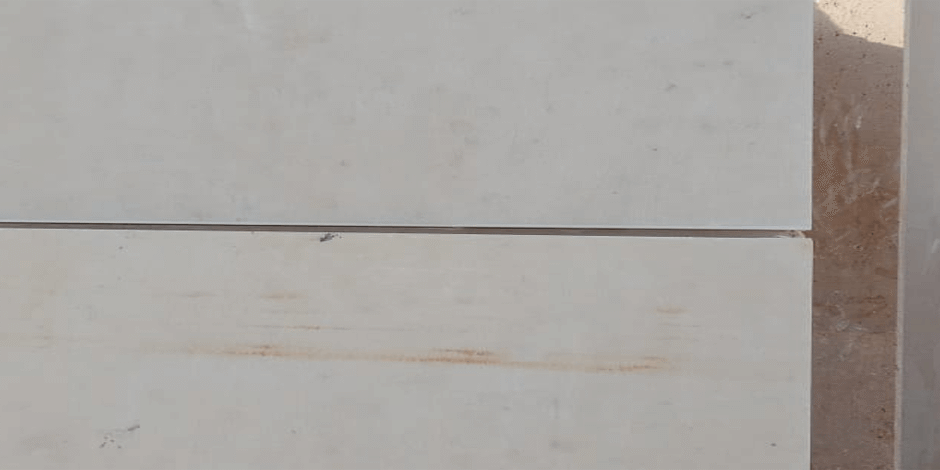
Calcium carbonate for ceramics and detergents is a versatile, low-cost mineral that acts as a flux, filler and builder. ELT (Egyptian Limestone Tiles) is a leading Egyptian producer of high-purity calcium carbonate for ceramic bodies, glazes and detergent powders, exported factory-direct worldwide.
💬 WhatsApp Us✉️ Email Our Experts📞 Call Us
As one of the leading marble and granite companies in Egypt, ELT supplies Egyptian marble, Egyptian granite and Egyptian limestone tiles factory-direct, alongside its industrial calcium carbonate and limestone range.
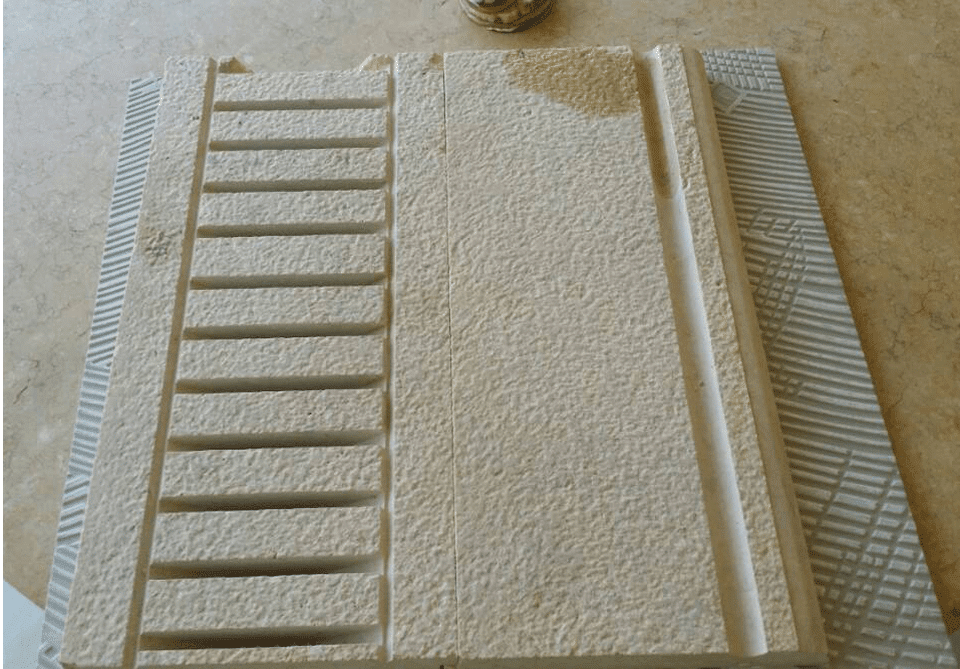
Calcium carbonate for ceramics: what it does
In ceramics, calcium carbonate for ceramics is added to bodies and glazes as a flux and a source of calcium oxide. During firing it helps lower the melting point, control thermal expansion, develop the glaze surface and improve whiteness and strength. It is used in wall and floor tile bodies, sanitaryware, tableware and glazes. The mineral is a natural form of calcium carbonate.
Calcium carbonate in detergents
In detergent powders, calcium carbonate works as a low-cost filler and a mild abrasive in scouring products, adding bulk and flow while keeping formulations economical. Purity and whiteness matter so the finished powder looks clean and performs consistently. ELT supplies grades suited to both ceramic and detergent use.
Grades and specifications
Ceramic and detergent buyers look at CaCO₃ purity, whiteness, particle size and low impurities (especially iron, which discolours ceramics and glazes). ELT mills Egyptian calcium carbonate to defined fineness and purity, and supplies the same high-purity limestone as limestone flux for glass and metallurgy, so multi-process buyers can consolidate supply.
Why purity and whiteness matter
In white ceramics and clean detergent powders, even small amounts of iron or coloured impurities show up. Egypt’s naturally white, high-purity limestone gives high brightness with low contamination, and ELT controls these batch to batch so glaze colour and powder appearance stay consistent.
Why source from ELT
As a quarry-to-mill producer, ELT keeps purity, whiteness and particle size consistent and ships a certificate of analysis with every order. We load bulk bags and containers in Cairo and export to ceramic and detergent manufacturers across the Gulf, Africa, Europe and Asia with full documentation.
Pricing, MOQ and export from Egypt
Bought factory-direct, Egyptian calcium carbonate for ceramics and detergents is highly competitive for bulk and full-container volumes, with pricing set by purity, fineness and grade. Minimum orders typically start at one container. Request a sample and a datasheet, and ELT will confirm grade and freight to your port.
Particle size for ceramic bodies and glazes
Fineness matters as much as purity in ceramics. Glazes generally need a finer, tightly controlled calcium carbonate so the surface develops evenly, while bodies can take a slightly coarser grade. Too coarse and the flux acts unevenly; too fine and it can affect rheology and drying. ELT mills to defined particle sizes for each use and documents them on the datasheet, so ceramic producers get predictable melting, colour and surface from one batch to the next.
Contact ELT (Egyptian Limestone Tiles)
ELT is a leading Egyptian supplier of natural stone and industrial minerals — marble, granite and limestone tiles plus calcium carbonate — exporting factory-direct across the Middle East and worldwide. Need a quote, a datasheet, or a sample? Our export team replies within 24 hours.
💬 WhatsApp Us✉️ Email Our Experts📞 Call Us
- Mobile / WhatsApp: +20 100 926 7545
- Office: +20 2 2690 1767
- Email: [email protected]
- Head Office: 7 El Edrisi St., next to Heliopolis Sporting Club, Office 402, Cairo, Egypt
- Website: egyptianlimestonetiles.com
Frequently asked questions
What is calcium carbonate used for in ceramics?
In ceramics, calcium carbonate acts as a flux and a source of calcium oxide in bodies and glazes. During firing it lowers the melting point, controls thermal expansion, develops the glaze and improves whiteness and strength. It is used in tile bodies, sanitaryware, tableware and glazes.
Why is calcium carbonate added to detergents?
Calcium carbonate is added to detergent powders as a low-cost filler that adds bulk and flow, and as a mild abrasive in scouring products. High purity and whiteness keep the finished powder clean-looking and consistent. ELT supplies suitable detergent-grade calcium carbonate factory-direct.