

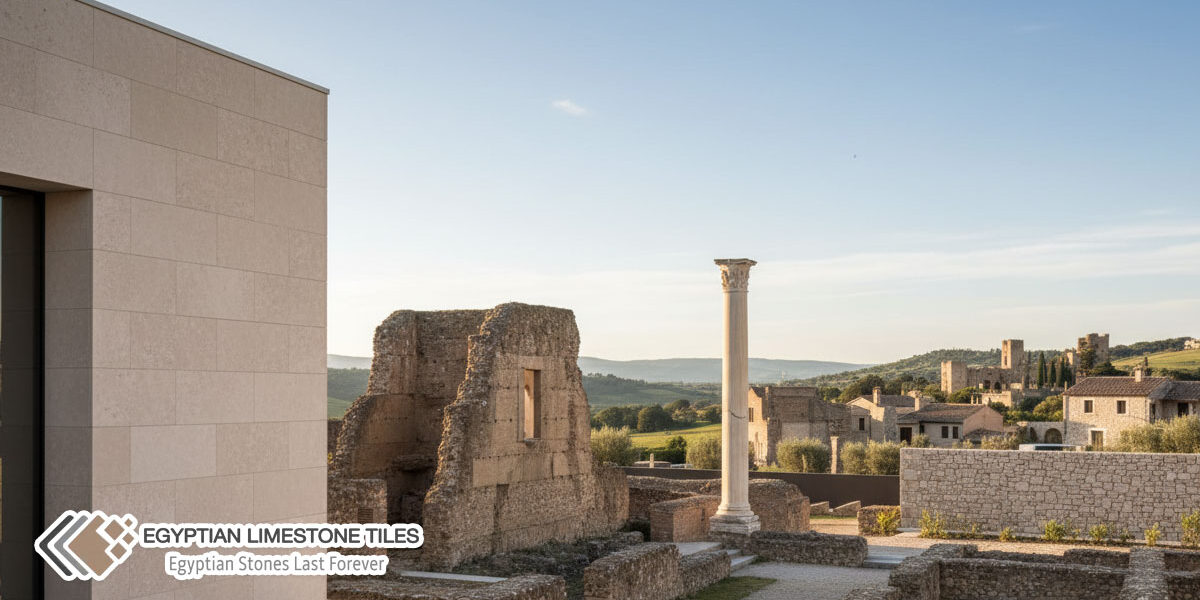
Why Limestone Remains the Most Versatile Natural Stone for Architecture
Limestone has played a defining role in architecture for thousands of years, from ancient monuments to contemporary buildings. Despite the rise of modern materials, limestone continues to be one of the most versatile and trusted natural stones used in architectural design today.
Architects and designers consistently choose limestone for its balance of beauty, performance, and adaptability. Premium options such as Egyptian Limestone are widely used in residential, commercial, and landscape projects worldwide.
The Architectural Value of Limestone
Limestone offers a unique combination of visual softness and structural reliability. Its natural texture and subtle color variations create surfaces that feel refined without appearing artificial or overwhelming.
Unlike materials that are limited to specific uses, limestone adapts effortlessly to walls, floors, façades, paving, and decorative architectural elements. This flexibility allows architects to maintain design consistency across interior and exterior spaces.
Versatility Across Architectural Applications
One of limestone’s greatest strengths is its ability to perform across a wide range of architectural uses.
- Exterior façades: Limestone provides excellent weather resistance while maintaining a timeless appearance.
- Interior walls & flooring: Creates calm, elegant environments suitable for both classic and modern interiors.
- Outdoor paving: Applications such as Egyptian limestone paving offer durability, slip resistance, and thermal comfort.
- Landscape elements: Walkways, patios, and pool surrounds benefit from limestone’s natural cooling properties.
Stones like Galala Limestone and Dijon Tumbled Limestone are particularly popular for outdoor architectural applications.
Aesthetic Flexibility for Modern and Classic Design
Limestone’s neutral tones allow it to blend seamlessly with other natural materials such as wood, glass, steel, and concrete. This makes it an excellent companion to stones like Egyptian marble and Egyptian granite in multi-material architectural projects.
In contemporary architecture, limestone delivers clean lines and understated elegance. In classical design, it reinforces heritage, symmetry, and architectural depth.
Durability and Long-Term Performance
Despite its refined appearance, limestone is a strong and durable natural stone. When properly selected and installed, it withstands environmental exposure, temperature fluctuations, and daily wear.
Compared to more brittle or highly processed materials, limestone ages gracefully, often improving in character over time. This longevity is a key reason limestone contributes positively to long-term property value.
Ease of Fabrication and Design Freedom
Limestone is easier to cut and shape than many harder stones, giving architects greater freedom in detailing and customization. This makes it ideal for:
- Architectural moldings
- Decorative cladding panels
- Custom staircases and columns
Its workability allows designers to achieve complex forms without compromising structural integrity.
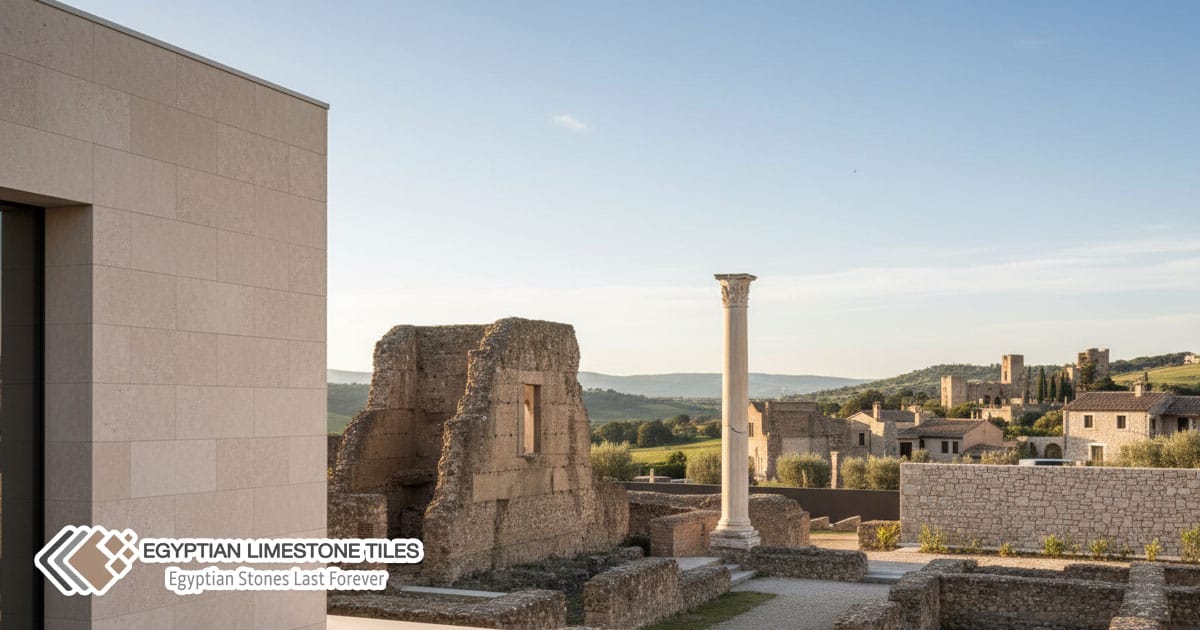
Why Limestone Remains the Most Versatile Natural Stone for Architecture
Sustainability and Environmental Benefits
Limestone is a naturally sustainable building material. It requires minimal processing, produces low emissions during fabrication, and contains no synthetic compounds.
Buildings that incorporate natural stone appeal to environmentally conscious buyers and comply with modern sustainability expectations—an increasingly important factor in architectural planning.
The Importance of Choosing the Right Supplier
The performance of limestone depends on sourcing quality material. Working with established marble and granite companies in Egypt ensures access to consistent stone quality and professional finishing standards.
Reliable marble suppliers in Egypt and experienced marble and granite factories in Egypt play a critical role in delivering architectural-grade limestone for global projects.
Frequently Asked Questions (FAQs)
Why is limestone so widely used in architecture?
Limestone is valued for its versatility, natural beauty, durability, and ease of fabrication, making it suitable for many architectural applications.
Is limestone suitable for outdoor architectural use?
Yes. Limestone performs exceptionally well in outdoor settings when properly selected and sealed.
Does limestone require heavy maintenance?
No. Routine cleaning and periodic sealing are sufficient to maintain limestone surfaces.
How does limestone compare to marble and granite?
Limestone offers more design flexibility than granite and lower maintenance demands than marble, making it ideal for large architectural surfaces.
Conclusion
Limestone remains one of the most versatile and enduring natural stones in architecture. Its adaptability, timeless appearance, sustainability, and long-term performance make it a preferred choice for architects and designers worldwide.
From façades and interiors to landscapes and paving, limestone continues to shape architectural spaces that balance elegance with practicality.
Contact Us
To place your order or request a quote, contact us:
📞 Mobile: 00201009267545
💬 WhatsApp: 201009267545
✉️ Email: marketing@egyptianlimestonetiles.com