

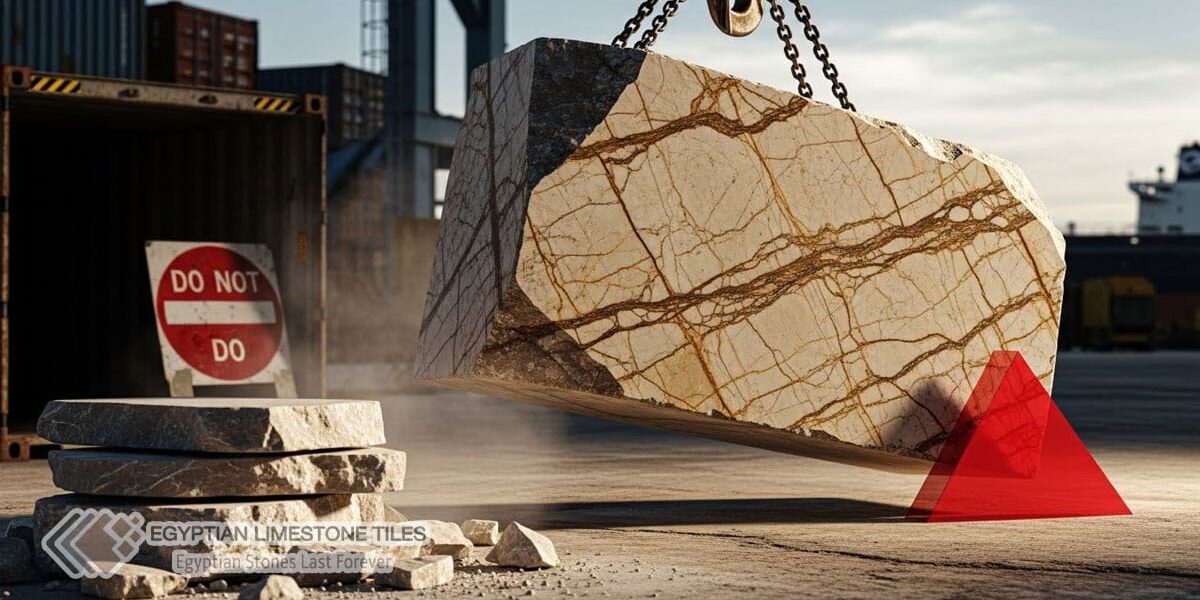
Introduction: Why Importers Choose Egyptian Marble
The global demand for Egyptian marble continues to rise in 2026 due to its quality, affordability, and diverse finishes. ELT (Egyptian Limestone Tiles) remains one of the top marble suppliers in Egypt, exporting premium stone to markets across the USA, Europe, the UK, and the Gulf.
But while importing natural stone from Egypt can be extremely profitable, many importers—especially first-timers—make costly mistakes that delay shipments, affect quality, and increase expenses.
This guide reveals the top mistakes to avoid when importing Egyptian marble and how to ensure your shipments arrive exactly as expected.
Mistake 1: Not Choosing the Right Marble Type for the Project
Egypt offers a wide range of marble and limestone options, but choosing the wrong material for a specific application can lead to performance issues.
Examples of Correct Use
-
triesta marble → Best for outdoor and heavy-duty applications
-
galala limestone → Ideal for interior floors
-
Sinai pearl limestone → Suitable for exterior cladding and pool areas
-
tumbled marble tile → Perfect for rustic or Mediterranean designs
Each stone has its own strengths, finishes, and recommended uses. Misalignment between material choice and project requirements is one of the most common importer mistakes.
Mistake 2: Ignoring Finish Types and Surface Requirements
Marble and limestone performance varies based on surface finish. Choosing the wrong finish can lead to safety, durability, and aesthetic problems.
Examples
-
Outdoor spaces require slip-resistant finishes such as sandblasted or bush-hammered
-
Poolsides benefit from tumbled or brushed finishes
-
Polished surfaces are ideal for indoor areas only
ELT produces all finishes under strict quality control at its marble and granite factory in Egypt.
Mistake 3: Not Requesting Samples Before Bulk Orders
Samples allow importers to verify:
-
Color consistency
-
Veining patterns
-
Surface finish quality
-
Thickness accuracy
By reviewing samples of stones like triesta grey marble, triesta beige marble, and dijon tumbled limestone, you ensure the final shipment meets expectations.
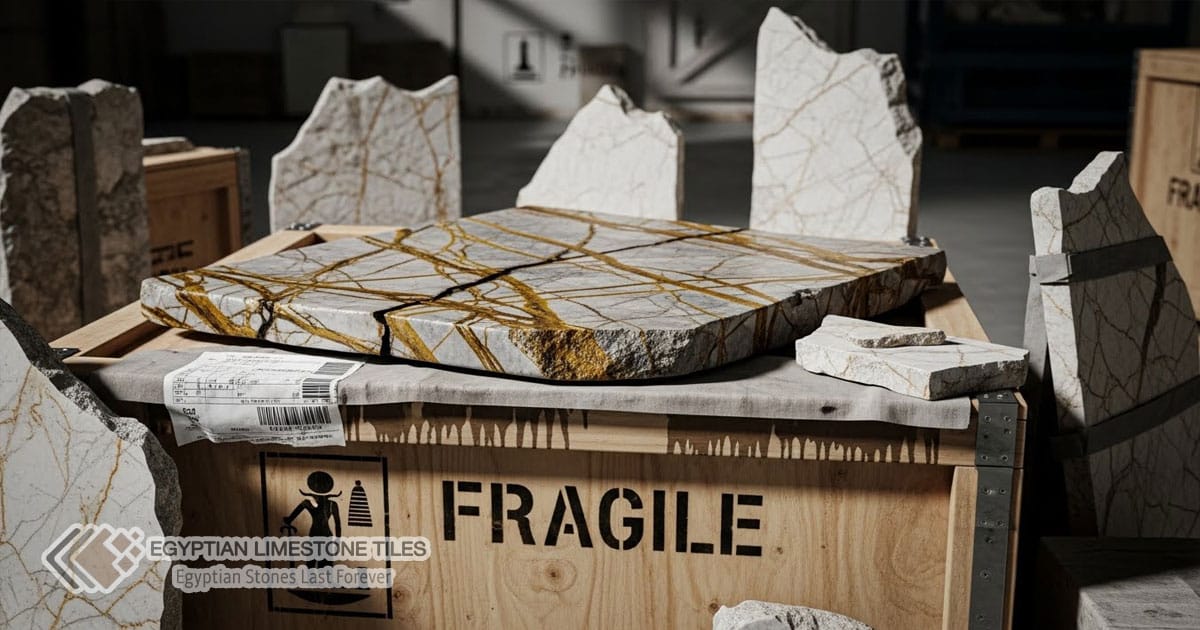
Mistake 4: Underestimating Shipping and Packaging Requirements
Natural stone is heavy, fragile, and requires professional packaging.
Common shipping mistakes include:
-
Choosing general cargo instead of stone-specialized freight
-
Failing to specify container type
-
Not asking for reinforced wooden crates
-
Avoiding waterproofing materials around slabs
ELT uses advanced packing techniques to ensure safe delivery of Egyptian granite, Egyptian Limestone, and marble slabs.
Top Mistakes to Avoid When Importing Egyptian Marble
Mistake 5: Not Verifying Supplier Reputation
One of the biggest mistakes importers make is choosing unknown or unverified suppliers. This often results in:
-
Delayed shipments
-
Inconsistent material
-
Incorrect thickness
-
Wrong finishes
-
Poor packaging
ELT is recognized as one of the most reliable marble and granite companies in Egypt with a long track record of international exports.
Mistake 6: Overlooking Color Variation & Natural Differences
Marble is a natural material, meaning no two pieces are identical. Importers who expect total uniformity may be disappointed unless they understand the natural variation of stones like:
Professional exporters like ELT always photograph batches before shipping to ensure transparency.
Mistake 7: Failing to Account for Extra Quantities
Importers often forget to include:
-
Cutting waste
-
Breakage during installation
-
Pattern matching
-
Edge trimming
Professional installers usually recommend ordering 7–12% extra depending on the stone type.
Mistake 8: Choosing the Wrong Stone for Climate Conditions
Stone performance varies based on environment.
Examples:
-
Hot climates: black aswan granite and Triesta perform extremely well
-
Cold climates: Sinai Pearl and Galala resist freezing and thawing
-
Coastal regions: Limestone with tumbled or brushed finishes is ideal
Choosing the right stone ensures long-term performance and reduced maintenance.
FAQs — Importing Egyptian Marble in 2026
1. What is the most common mistake new importers make?
Not requesting samples before placing a bulk order.
2. Can Egyptian marble be used for outdoor projects?
Yes, especially materials like Triesta and Sinai Pearl.
3. How can I guarantee quality when importing?
Work with established marble and granite companies in Egypt, such as ELT.
4. Does ELT offer custom finishes and sizes?
Yes. All finishing is done at ELT’s factory to international specifications.
5. How do I choose the right stone for my climate?
ELT provides technical guidance based on your region, climate, and application.
6. How to order from ELT?
To place your order or request a quote, contact us:
📞 Mobile: 00201009267545
💬 WhatsApp: 201009267545
✉️ Email: marketing@egyptianlimestonetiles.com