

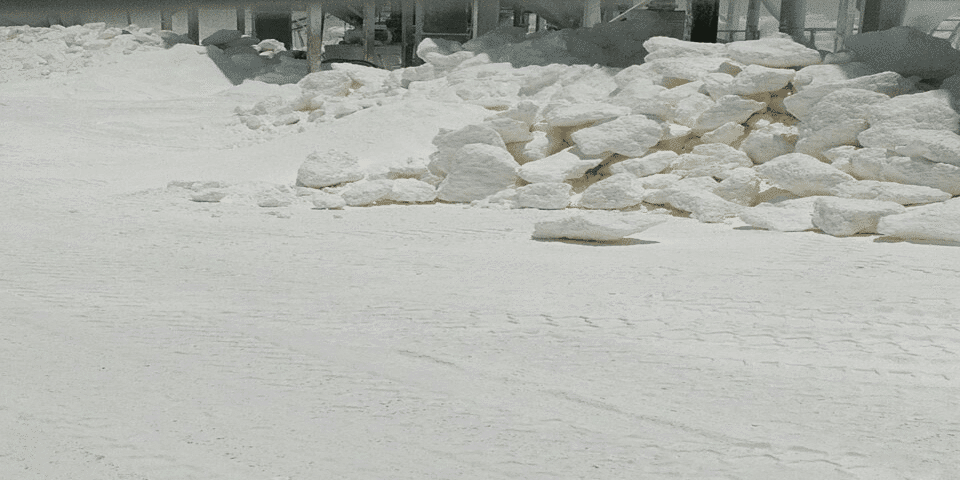
Calcium carbonate for rubber is a key filler that cuts cost and improves processing in rubber and sealant compounds. ELT (Egyptian Limestone Tiles) is a leading Egyptian supplier of coated and uncoated calcium carbonate for the rubber and sealant industries, exported factory-direct worldwide.
💬 WhatsApp Us✉️ Email Our Experts📞 Call Us
As one of the leading marble and granite factory in Egypt, ELT also supplies Egyptian marble, Egyptian granite and Egyptian limestone tiles factory-direct, alongside its industrial calcium carbonate and limestone range.
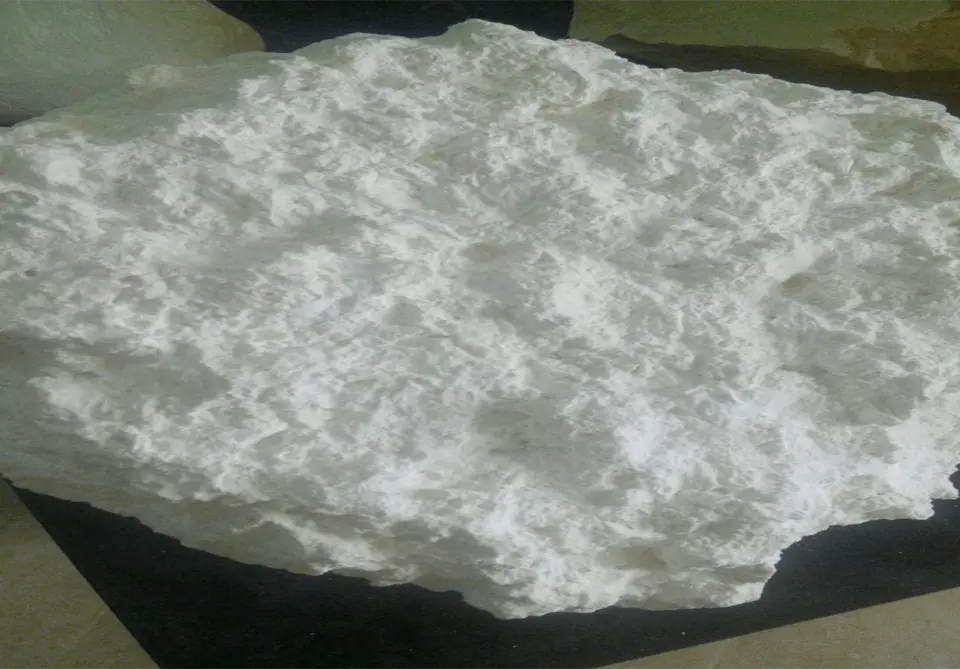
Why use calcium carbonate for rubber?
Calcium carbonate for rubber works as a low-cost extender and semi-reinforcing filler. It replaces a share of more expensive polymer and reinforcing fillers, adds body and hardness, improves processing and tear resistance, and helps control cost without ruining mechanical properties. In sealants it builds rheology and body. It is one of the most common mineral fillers in the rubber industry, drawn from natural calcium carbonate.
Coated grades for rubber and sealants
For rubber and especially for sealants, coated calcium carbonate is often preferred. The stearic-acid coating improves dispersion in the polymer, reduces moisture pickup, and in sealants gives better rheology and storage stability. ELT supplies coated and uncoated Egyptian calcium carbonate across fine micron sizes so compounders can tune reinforcement, cost and processing.
Applications across rubber and sealants
Calcium carbonate for rubber goes into general rubber goods, hoses, mats, footwear, moulded and extruded parts, and into silicone, polyurethane, PVC and hybrid sealants and adhesives. The same Egyptian mineral also serves as a paint extender, a plastics filler and limestone flux, so one supplier can cover several production lines.
Specifications compounders check
Buyers look at particle size, brightness, purity, oil absorption and (for coated grades) coating level. Fine, consistent grades disperse evenly and protect line speed and finish. ELT controls these from quarry to mill and ships a certificate of analysis with each order, so compounds stay consistent batch to batch.
Why source from ELT
As a quarry-to-mill producer, ELT keeps purity, fineness and coating consistent and loads bulk bags and containers in Cairo for export across the Gulf, Africa, Europe and Asia with full documentation. That reliability protects compound quality and keeps lines running, which is what rubber and sealant makers need from a filler supplier.
Pricing, MOQ and export from Egypt
Bought factory-direct, Egyptian calcium carbonate for rubber is highly competitive for bulk and full-container volumes, with pricing set by coating, fineness and grade. Minimum orders typically start at one container. Request a sample and a datasheet, and ELT will recommend the right grade and confirm freight to your port.
How much filler can rubber take?
Filler loading in rubber depends on the compound and the properties you need, but calcium carbonate is often used at meaningful levels alongside reinforcing fillers, and even higher in low-cost or non-critical goods. Because mineral filler costs far less than polymer, every well-dispersed part of calcium carbonate that replaces rubber lowers compound cost. ELT helps compounders find the highest practical loading that still meets their hardness, strength and processing targets.
Contact ELT (Egyptian Limestone Tiles)
ELT is a leading Egyptian calcium carbonate and limestone supplier, exporting factory-direct across the Middle East and worldwide. Need a quote, a datasheet, or a sample? Our export team replies within 24 hours.
💬 WhatsApp Us✉️ Email Our Experts📞 Call Us
- Mobile / WhatsApp: +20 100 926 7545
- Office: +20 2 2690 1767
- Email: [email protected]
- Head Office: 7 El Edrisi St., next to Heliopolis Sporting Club, Office 402, Cairo, Egypt
- Website: egyptianlimestonetiles.com
Frequently asked questions
Why is calcium carbonate used in rubber?
Calcium carbonate is used in rubber as a low-cost extender and semi-reinforcing filler. It replaces costlier polymer and reinforcing fillers, adds body and hardness, improves processing and tear resistance, and lowers cost while keeping mechanical properties within specification.
Should rubber and sealants use coated calcium carbonate?
Coated calcium carbonate is often best for rubber and especially sealants, because the stearic coating improves dispersion, reduces moisture pickup and gives better rheology and storage stability. ELT supplies coated and uncoated grades in fine micron sizes for these uses.