

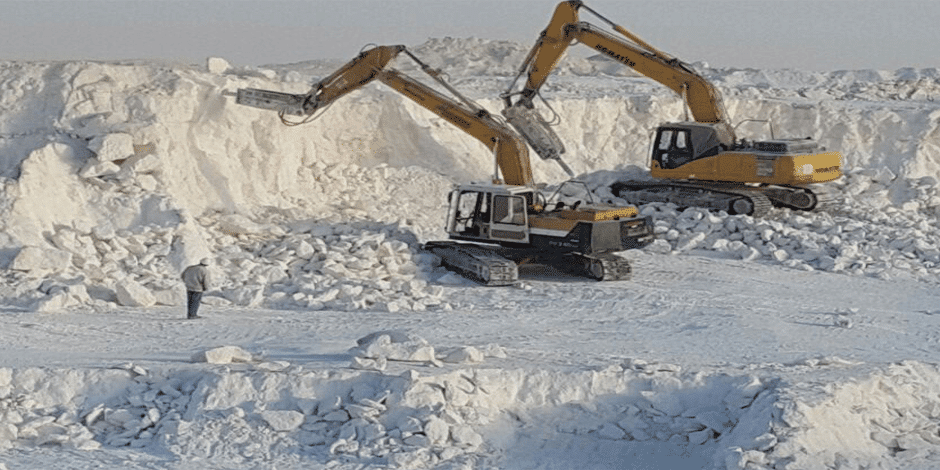
Limestone flux for steel is essential to modern iron and steel production, where it removes impurities and protects furnace life. ELT (Egyptian Limestone Tiles) is a leading Egyptian supplier of metallurgical-grade limestone flux, shipping graded lump limestone factory-direct to steel mills and foundries across the region and worldwide.
💬 WhatsApp Us✉️ Email Our Experts📞 Call Us
As one of the leading marble and granite factory in Egypt, ELT also supplies Egyptian marble, Egyptian granite and Egyptian limestone tiles factory-direct, alongside its industrial calcium carbonate and limestone range.
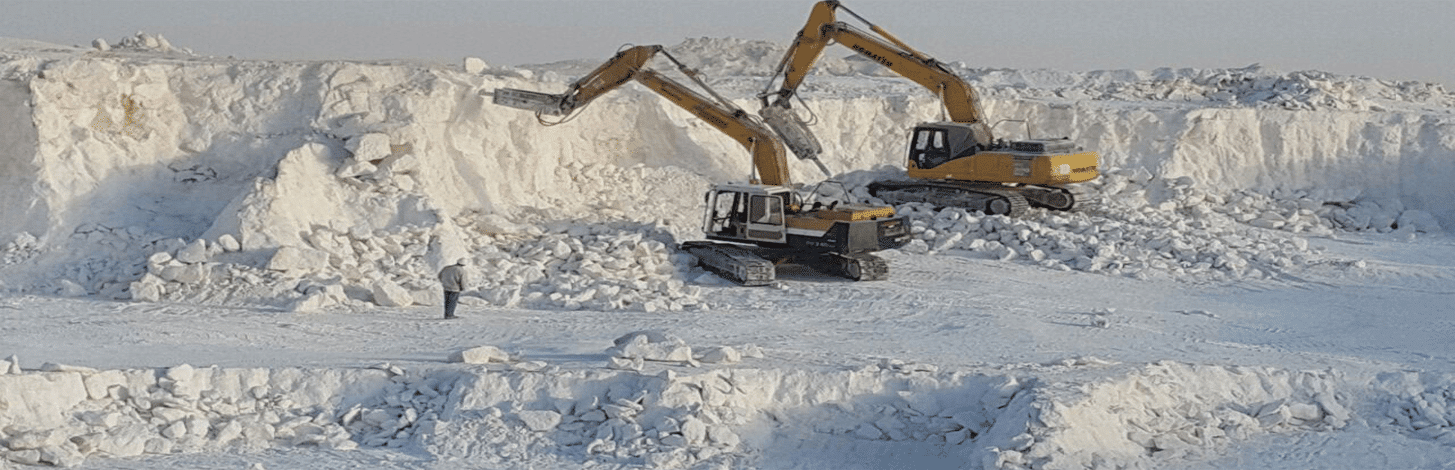
What is limestone flux for steel?
In steelmaking, flux is a mineral added to the furnace to combine with impurities and carry them off as slag. Limestone (calcium carbonate, CaCO₃) is the most common flux because, when heated, it calcines to lime (CaO) which reacts with silica, alumina and sulphur in the charge. The result is a fluid slag that floats on the molten metal and is easily removed, leaving cleaner steel. The role of flux in metallurgy is summarised on Wikipedia.
Why limestone flux for steel matters to furnace performance
Using the right limestone flux for steel directly affects slag chemistry, sulphur removal and refractory wear. High-calcium limestone with low silica and low alumina makes a cleaner, more reactive slag and reduces the amount of flux needed per tonne of metal. Consistent lump sizing matters too: oversized or fines-heavy material disturbs furnace permeability and gas flow. Egypt’s naturally high-purity limestone suits blast-furnace, basic-oxygen and electric-arc operations as well as iron foundry cupolas.
Specifications steel mills check
Buyers evaluate CaCO₃ content (typically 95%+), low silica and sulphur, controlled lump size (commonly 10–40 mm or to spec), and low moisture. ELT supplies metallurgical limestone and Egyptian calcium carbonate to defined chemical and size specifications, with a certificate of analysis per shipment so metallurgists can lock the flux into their burden calculation with confidence.
From quarry to furnace: ELT’s supply
As a quarry-to-mill producer, ELT controls chemistry and sizing from the source, screens to the required fraction, and loads in bulk for export. We ship from Cairo by sea to the Gulf, Europe, Africa and Asia, handling documentation so the flux arrives furnace-ready. That reliability is why steelmakers prefer a single, consistent Egyptian source over mixed or unverified material.
Pricing, MOQ and export from Egypt
Sourced factory-direct, Egyptian limestone flux is highly competitive for bulk and full-container volumes, with pricing set by chemistry, sizing and tonnage. Minimum orders typically start at one container or a bulk parcel, and ELT can grade to your furnace specification. Request a sample and a chemical analysis to confirm fit before you commit.
Industries and furnaces we supply
Beyond integrated steel mills, ELT’s limestone flux serves electric-arc furnace shops, iron foundries running cupolas, ferroalloy producers and lime kilns. The same high-calcium Egyptian limestone also feeds glass, cement and water-treatment users, so plants running several processes can consolidate supply with one verified source. Matching flux chemistry and lump size to each furnace keeps slag fluid, sulphur low and refractory wear in check across very different operations.
Contact ELT (Egyptian Limestone Tiles)
ELT is a leading Egyptian calcium carbonate and limestone supplier, exporting factory-direct across the Middle East and worldwide. Need a quote, a datasheet, or a sample? Our export team replies within 24 hours.
💬 WhatsApp Us✉️ Email Our Experts📞 Call Us
- Mobile / WhatsApp: +20 100 926 7545
- Office: +20 2 2690 1767
- Email: [email protected]
- Head Office: 7 El Edrisi St., next to Heliopolis Sporting Club, Office 402, Cairo, Egypt
- Website: egyptianlimestonetiles.com
Frequently asked questions
What is limestone flux used for in steelmaking?
Limestone flux is added to iron and steel furnaces to remove impurities. When heated it forms lime, which reacts with silica, alumina and sulphur to create a fluid slag that floats on the metal and is removed, producing cleaner steel and protecting the furnace lining.
What limestone specification is best for steel flux?
Steel mills want high-calcium limestone with 95%+ CaCO3, low silica and sulphur, controlled lump size (often 10-40 mm) and low moisture. ELT supplies metallurgical-grade Egyptian limestone flux to defined chemical and size specifications with a certificate of analysis.